
Preparing for Global Negotiations: Advanced Business English Strategies


Understanding Cultural Nuances
When preparing for global negotiations, understanding cultural nuances is crucial. Different cultures have distinct communication styles, values, and business etiquettes. Being aware of these differences can enhance your negotiation strategy and prevent misunderstandings.
Research the cultural backgrounds of the parties involved and consider how these may influence their decision-making processes. For example, while some cultures prioritize direct communication, others may value a more indirect approach. Recognizing these preferences can help in crafting your communication style effectively.

Building Rapport
Building rapport is essential in establishing trust and cooperation. Start by finding common ground and expressing genuine interest in the other party's perspectives. This not only helps in creating a positive atmosphere but also opens up channels for more open and honest discussions.
Use small talk to your advantage. Engaging in light conversation before diving into negotiations can help ease tensions and create a comfortable environment. Remember, a strong relationship is often the foundation of successful negotiations.
Effective Communication Strategies
Effective communication is the cornerstone of any negotiation. Ensuring clarity and conciseness in your language can prevent potential misunderstandings. Tailor your vocabulary and expressions to suit the proficiency level of the other party in English.
Utilize active listening techniques. Pay close attention not only to what is being said but also to non-verbal cues such as body language and tone of voice. This attentiveness demonstrates respect and helps in accurately interpreting the other party’s intentions.

Leveraging Technology
In today’s digital age, technology plays a significant role in facilitating global negotiations. Video conferencing tools, translation apps, and collaborative platforms can bridge geographical and language gaps effectively.
However, it’s important to be mindful of potential technical issues. Always have a backup plan in place to ensure that technical difficulties do not disrupt the flow of negotiations.
Negotiation Tactics and Techniques
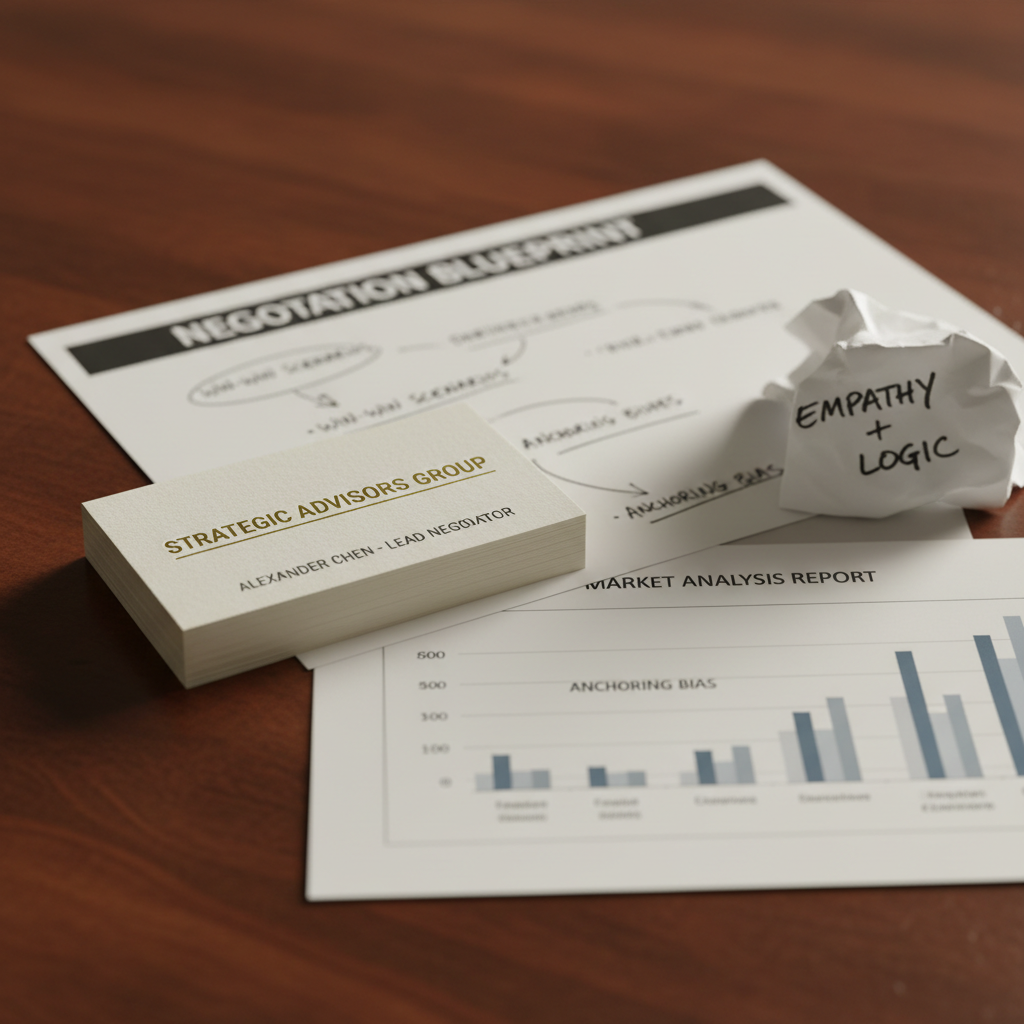
Mastering various negotiation tactics can provide an edge in discussions. Some common techniques include the "win-win" approach, where both parties seek mutually beneficial outcomes, and the "anchoring" technique, where the initial offer sets the tone for the negotiation.
Consider employing a mix of both competitive and cooperative strategies depending on the context. This flexibility allows you to adapt to changing dynamics during the negotiation process.
Preparing for Challenges
Global negotiations often present unique challenges such as time zone differences, language barriers, and varying legal regulations. Being prepared to address these issues can prevent delays and ensure smoother negotiations.
Develop contingency plans for potential obstacles and remain adaptable. Being proactive in anticipating challenges can reinforce your position and demonstrate professionalism.
Conclusion
Preparing for global negotiations requires a blend of cultural awareness, effective communication, and strategic planning. By understanding cultural nuances, building rapport, and leveraging technology, you can enhance your negotiation outcomes.
Employing advanced negotiation techniques and preparing for potential challenges will place you in a strong position. Remember, the key to successful global negotiations is adaptability and a willingness to understand and respect diverse perspectives.