
How to Write Professional Emails in English: Tips for Chilean Executives


Understanding the Basics of Professional Email Writing
Writing professional emails is essential for Chilean executives who interact in international business environments. A well-crafted email can enhance communication and build strong professional relationships. It’s important to focus on clarity, brevity, and proper etiquette.
Start with a clear and relevant subject line. This helps the recipient understand the purpose of your email at a glance. A subject line like “Meeting Request: Project Update” is direct and informative.

Structuring Your Email
Begin with a formal greeting. Use "Dear [Name]" if you know the recipient well, or "To whom it may concern" if it's a more general correspondence. This sets a professional tone from the start.
After the greeting, introduce the purpose of your email in the first paragraph. This should be concise and to the point. Remember, executives often receive numerous emails daily, so clarity is crucial.
Using Polite Language and Tone
Maintain a polite and respectful tone throughout your email. Use courteous language such as “please,” “thank you,” and “would you be so kind.” This not only shows respect but also encourages a positive response.

Closing Your Email Effectively
End your email with a strong closing. Phrases like “Looking forward to your response” or “Thank you for your attention” are effective. Follow this with a formal closing statement such as “Sincerely” or “Best regards,” and your full name and position.
Don’t forget to proofread your email before sending it. Check for grammatical errors, spelling mistakes, and ensure that the tone is appropriate for the recipient.
Attachments and Formatting
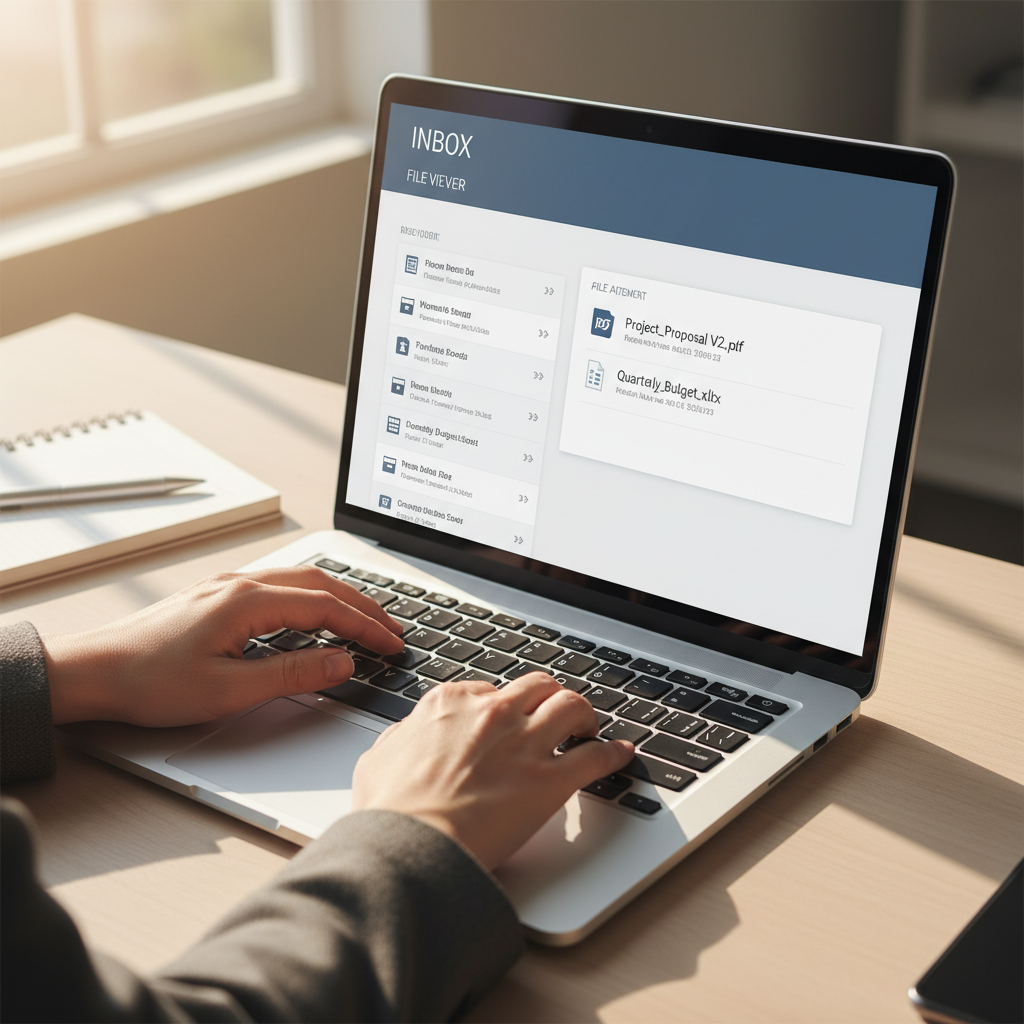
When including attachments, mention them in the body of the email. For instance, “I have attached the report for your review.” Ensure that files are appropriately named and formatted for easy access.
Common Mistakes to Avoid
Avoid using overly casual language or slang, as this can undermine professionalism. Additionally, refrain from using all caps, as this can be interpreted as shouting. Instead, use bold or italic text to emphasize important points.
Be mindful of the email’s length. Keep it as brief as possible while still covering all necessary points. Long emails can be overwhelming and may not be read thoroughly.
The Importance of a Professional Signature
Include a professional email signature with your contact information and company details. This provides the recipient with multiple ways to contact you and reinforces your professional identity.
Cultural Sensitivity and Awareness
Lastly, be aware of cultural differences when communicating with international partners. Sensitivity to cultural norms can prevent misunderstandings and foster better working relationships. Adapt your style as needed based on the recipient's cultural background.
By following these tips, Chilean executives can enhance their email communication skills, ensuring that their messages are received well and convey professionalism and respect.